We offer different payment options to help your pet get the treatment they need
While payment is required at the time of service, we understand the unexpected costs associated with veterinary care. We accept multiple methods of payment to help ease the burden of veterinary expenses.
PAYMENT IS DUE IN FULL AT TIME OF SERVICE
We DO NOT offer any billing via the hospital
Thank you
We Accept:
Cash, Visa, MasterCard, Discover and Checks
We do not accept American Express
There is a $30.00 returned check fee
To help make veterinary care more affordable we also accept;
Care Credit and Scratchpay
|
You can apply for Care Credit online here:

www.carecredit.com/go/674XWZ/ Once you're approved, any purchase over $200 can qualify for 6 months deferred interest to help offset the cost for you. A credit card will be mailed to you within 7-10 days of approval. |
You can apply for Scratchpay online here:

Scratchpay isn’t a credit card. Checking your plan option will NOT affect your credit score. No hidden fees. No prepayment penalty. No deferred interest. No surprises. |
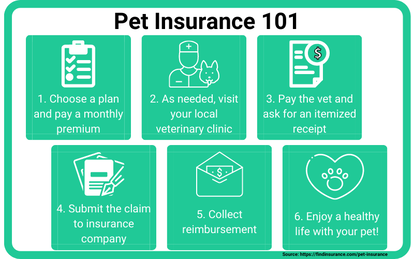
Can Pet Insurance help me afford veterinary care?
Yes! We always recommend finding a pet insurance plan that best suits you and your pet's needs. Most pet owners often end up saving money and gaining peace of mind with pet insurance coverage. Vet bills can add up quickly and unexpectedly. Pet insurance is a great investment—and one where it pays to enroll early—because it can reduce the amount you'll need to pay the vet throughout your pet's life. We recommend searching for the best plan for you and enrolling your pet early on.
For more information on choosing pet insurance:
www.petinsurancereview.com/
www.aaha.org/your-pet/pet-insurance/how-do-i-choose-the-right-pet-insurance/
What to do if I cannot afford veterinary care for my pet?
We understand... it’s a heartbreaking yet a common situation for many pet owners. Here are a few things that you can do
in advance to help your pet in those tough situations.
1- Credit: If you have the option to use a credit card or line of credit, then this might be option for pet parents without ready funds.
2- Family Assistance: Since our dogs rely entirely on us for care and support, sometimes we ourselves might need to lean on those who love us. Asking family or friends for a one time loan (particularly if you arrange a consistent way to repay them) might be an uncomfortable but effective way to gather funds.
3- Pre Pay: It can be really hard to predict when your dog might need treatment for an illness or injury, but it’s guaranteed that they will need to see the vet at some point, even if it’s just for routine wellness care like vaccinations or parasite control.
4- Savings: Set up a savings account for your pet!
5- Pet insurance: This can be one of the best ways to give you both a financial buffer against those sky-high costs
and peace of mind as well.
In the end, the financial squeeze isn’t fun for anyone – you, your pet or your veterinarian – which is why it’s always optimal to have a finacial back up plan even if it means just putting away a few dollars a week. Not only will your best friend receive the help that’s best for them, but you’ll also be able to focus less on finances, and more on just being there for your pet when they need you.
Office HoursMonday: 8:00 am to 5:00 pm Tuesday: 8:00 am to 7:00 pm Wednesday: 8:00am to 5:00pm Thursday: 8:00 am to 7:00 pm Friday: 8:00 am to 5:00 pm Saturday: Closed Sunday: Closed |
|





Site powered by Weebly. Managed by IDEXX Laboratories